

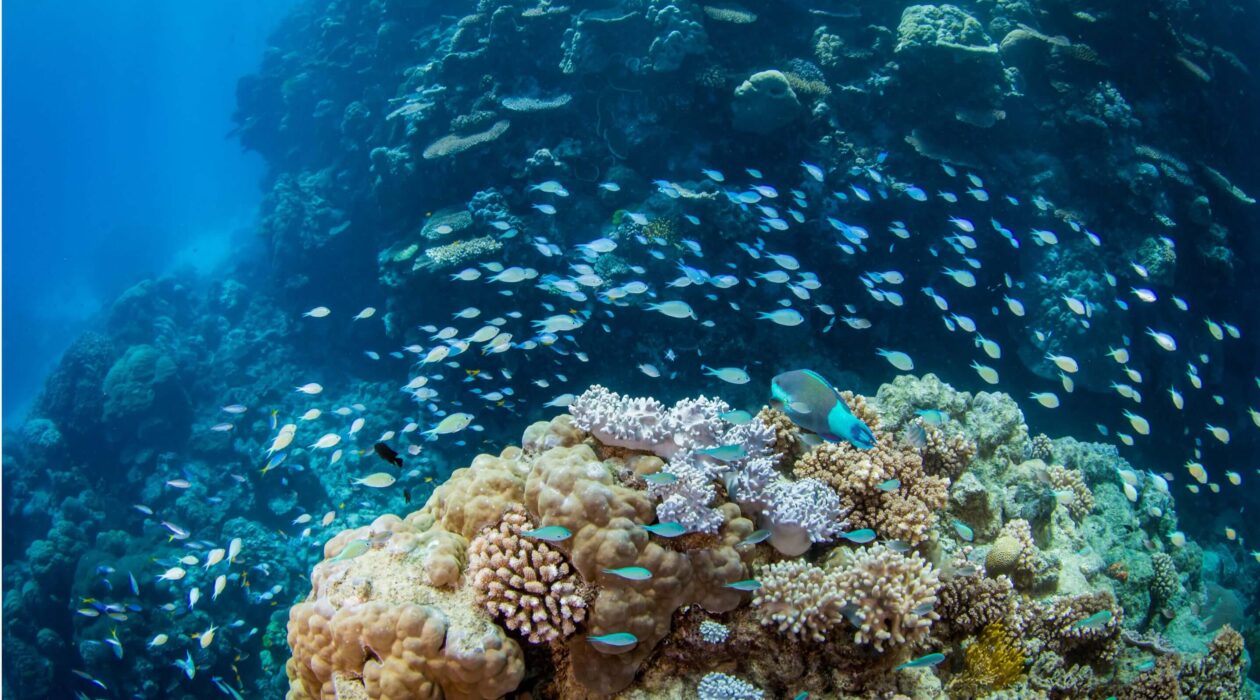
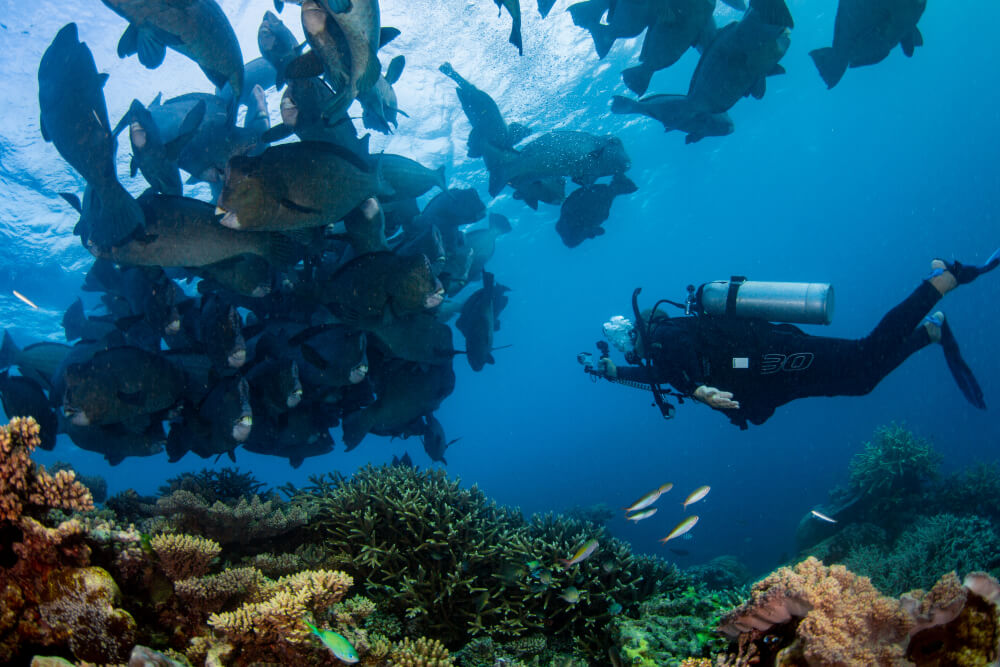
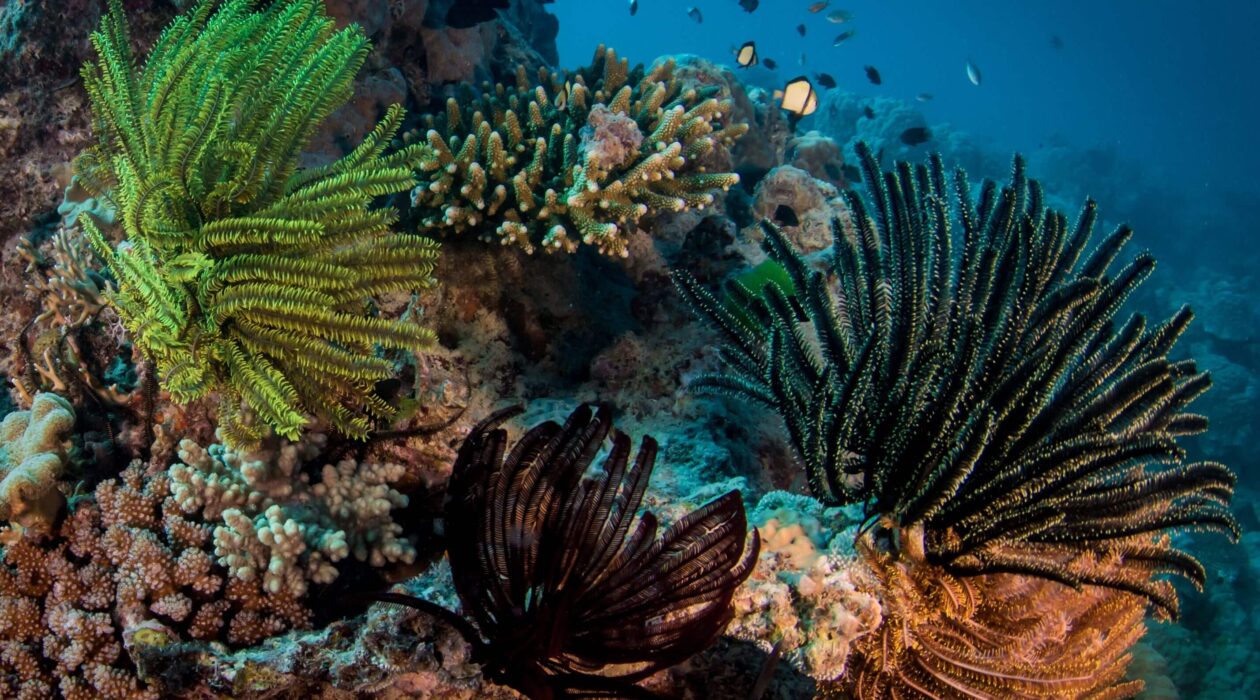
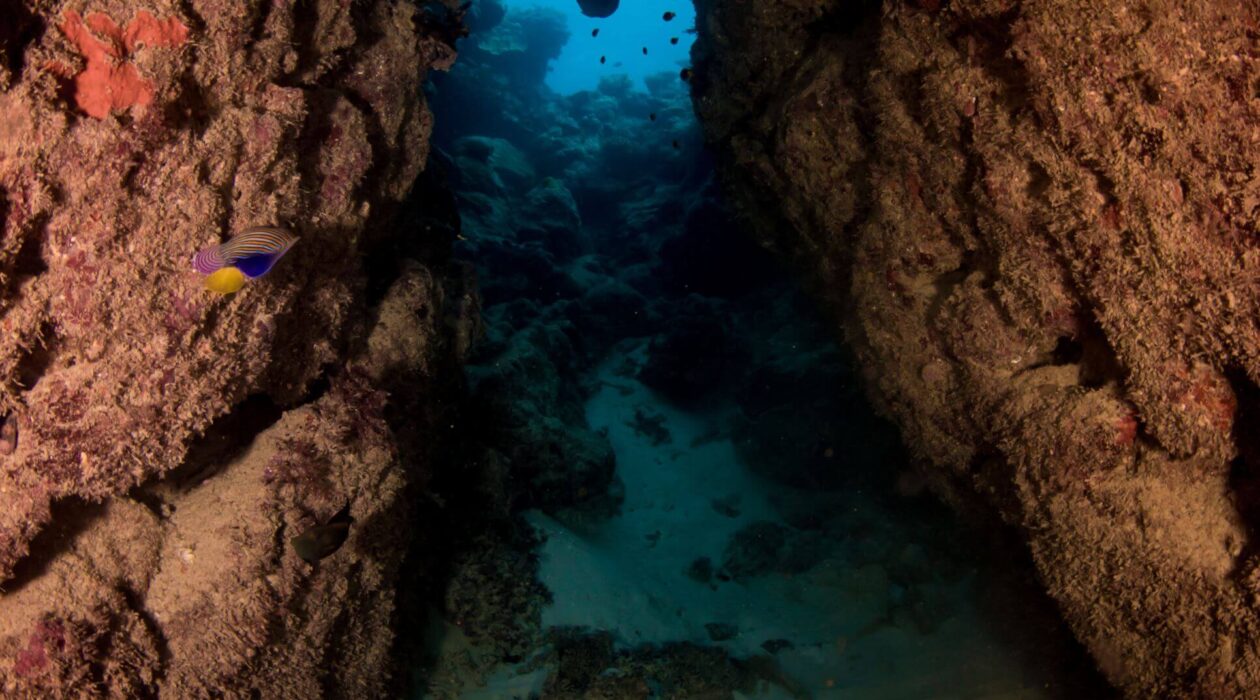


Norman Reef is one of the spectacular Outer Great Barrier Reef locations accessible from Cairns, known for clear tropical water, colourful coral gardens and an extraordinary variety of marine life.
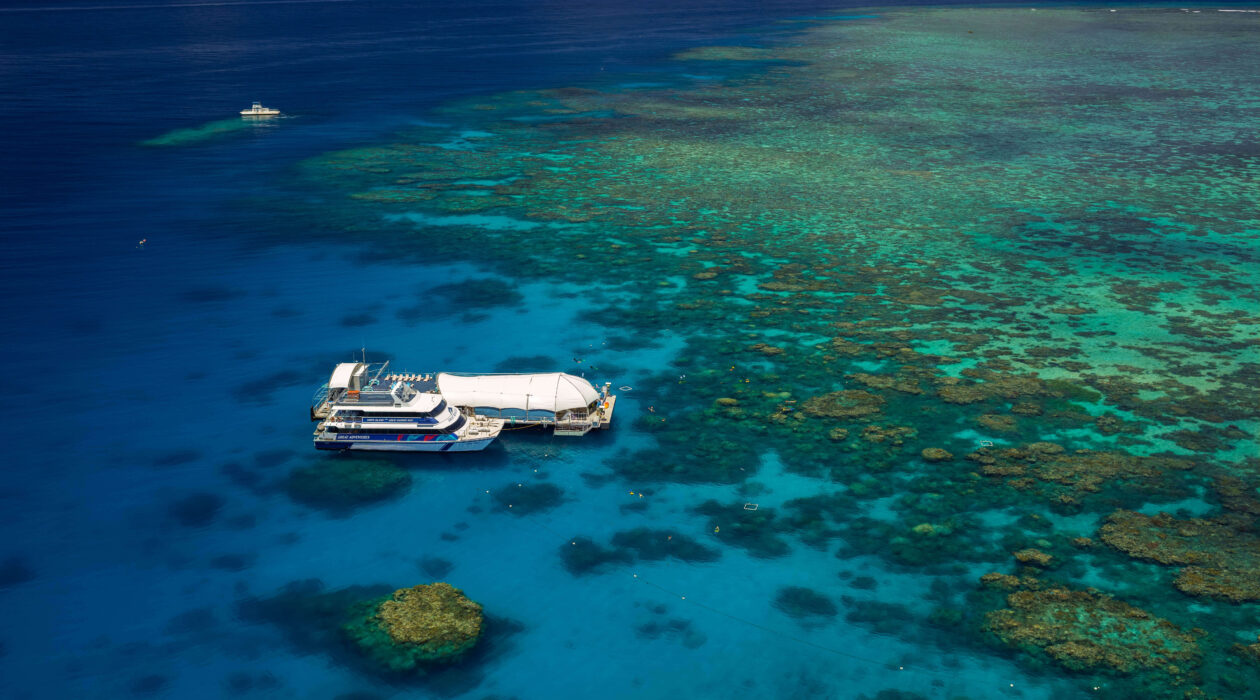
Located around 70 kilometres off the Queensland coast, Norman Reef lies on the outer edge of the Great Barrier Reef’s continental shelf. Its location creates an impressive underwater landscape where shallow coral gardens give way to bommies, walls, drop-offs, caves and swim-throughs.
This variety makes Norman Reef particularly rewarding because it isn’t just a destination for experienced scuba divers. Snorkellers can explore shallow sections of reef close to the surface, while divers can descend to discover completely different environments below.
For visitors staying in Cairns, Norman Reef is a wonderful example of just how diverse the Outer Great Barrier Reef can be.
What Makes Norman Reef Special?
No two Great Barrier Reef sites are exactly alike.
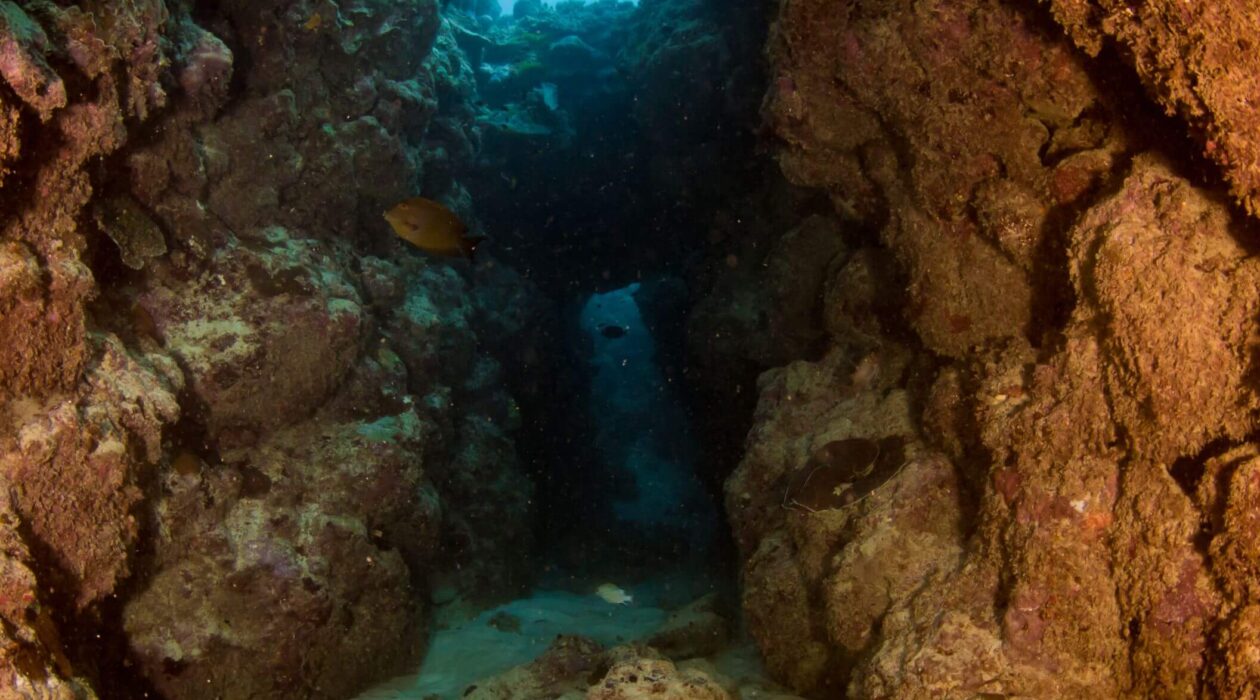
At Norman Reef, one of the defining features is the variety of underwater terrain. There are shallow coral gardens for snorkelling alongside deeper walls, coral bommies, sandy areas, caves and swim-throughs for divers. One dive site even contains the remains of a small wreck.
Water clarity is another attraction. Visibility can reach approximately 30 metres when conditions are favourable, although, as with any natural marine environment, visibility changes with weather, tides and conditions.
Rather than seeing one uniform coral landscape, visitors can experience different reef habitats within the same enormous reef system.
Snorkelling at Norman Reef
You don’t need to scuba dive to appreciate Norman Reef.
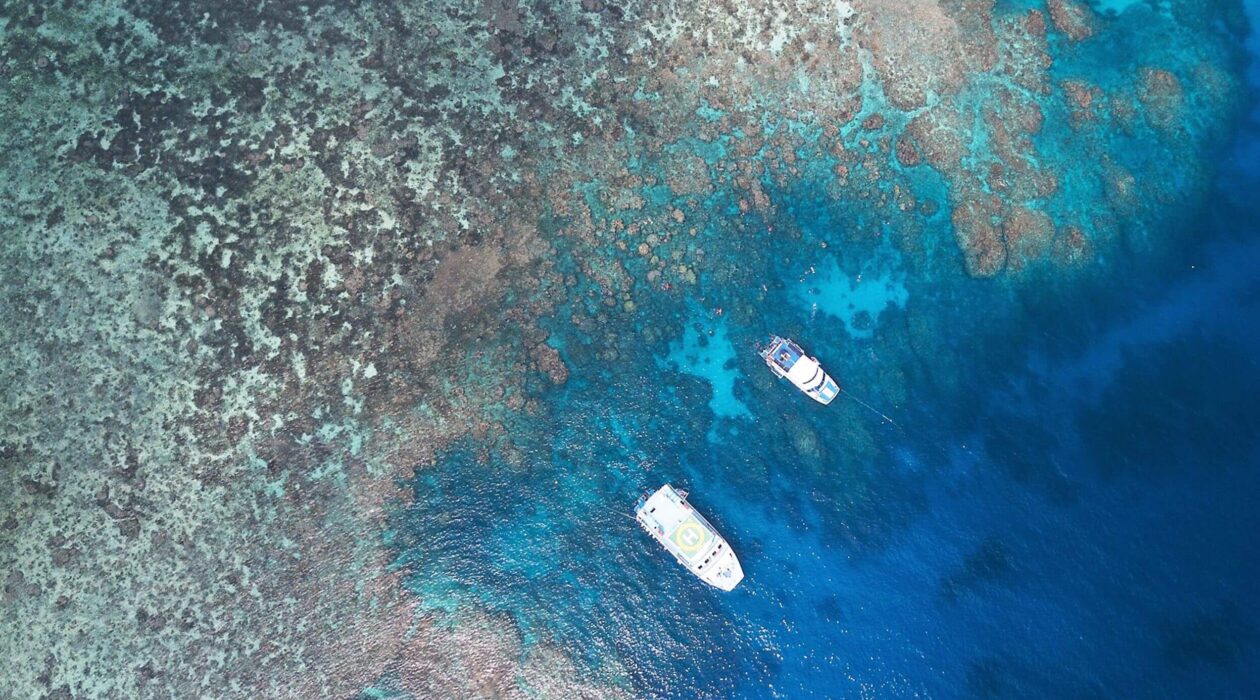
Some sections of the reef rise close to the surface, allowing snorkellers to look down over coral gardens filled with tropical fish. Shallow areas can be only a few metres deep, making the reef remarkably visible from the surface when conditions are clear.
Snorkelling also gives you the freedom to cover a larger area of shallow reef. Look between coral bommies, across sandy patches and along the edge of the reef, rather than concentrating only on what is directly beneath you.
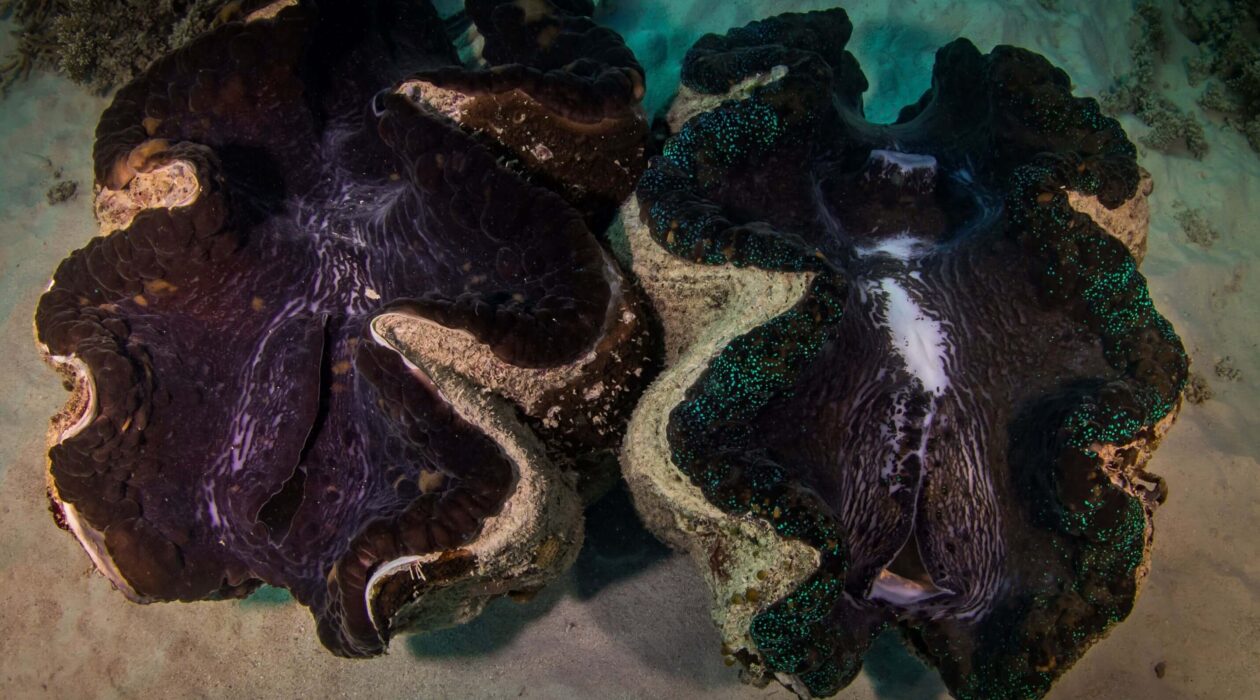
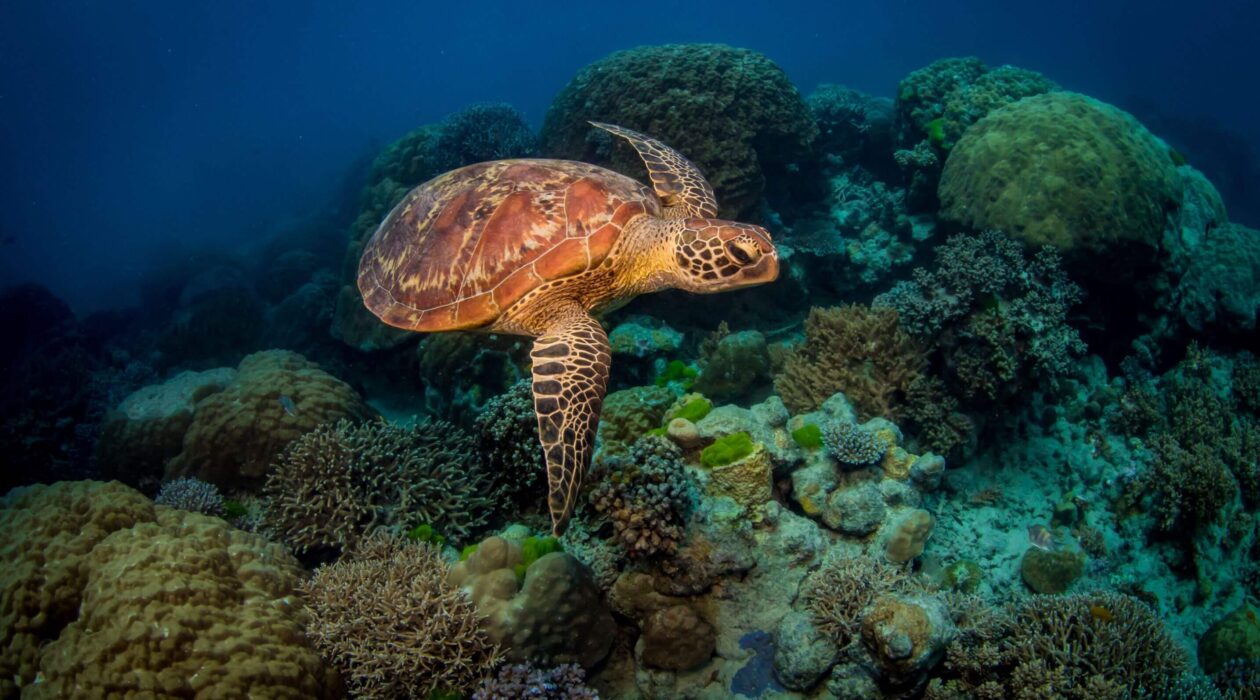
You may encounter colourful reef fish, giant clams and sea turtles while exploring.
And sometimes the smallest discoveries are among the best.
Stop for a moment above a coral formation and watch. Tiny fish dart in and out of shelter, anemonefish remain close to their host anemones and larger fish cruise past the reef.
The Great Barrier Reef rewards visitors who take the time to look.
Scuba Diving at Norman Reef
For scuba divers, Norman Reef opens up an entirely different world.
Beyond the shallow reef are coral walls, bommies, caves, canyons, swim-throughs and deeper sections that cannot be properly experienced from the surface.
Norman Reef has numerous individual dive locations, including:
-
- Caves
- The Nursery
- Plate Top
- Troppos
- Turtle Bay
- Shark Mountain
- Playground
- Alan’s Wall
- Wild Side
Different moorings reveal different parts of the reef. For example, Shark Mountain features a large coral bommie and the remains of a small wreck, while Alan’s Wall includes crevices, swim-throughs and a substantial drop-off.
That diversity is one reason Norman Reef can appeal to both newer divers and experienced certified divers.
Marine Life at Norman Reef
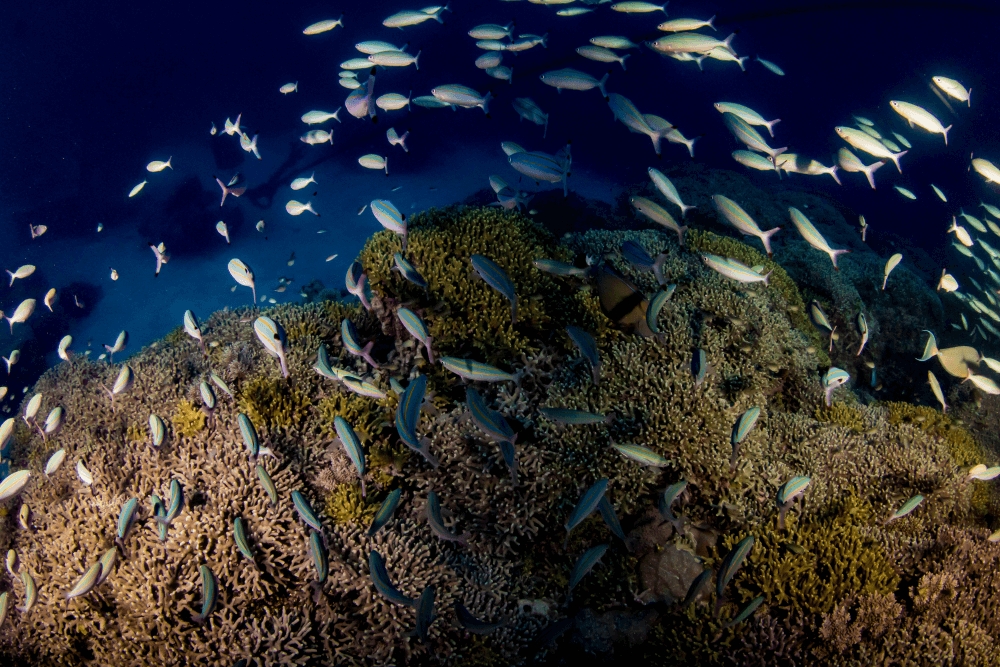
Norman Reef supports an impressive community of Great Barrier Reef marine life.
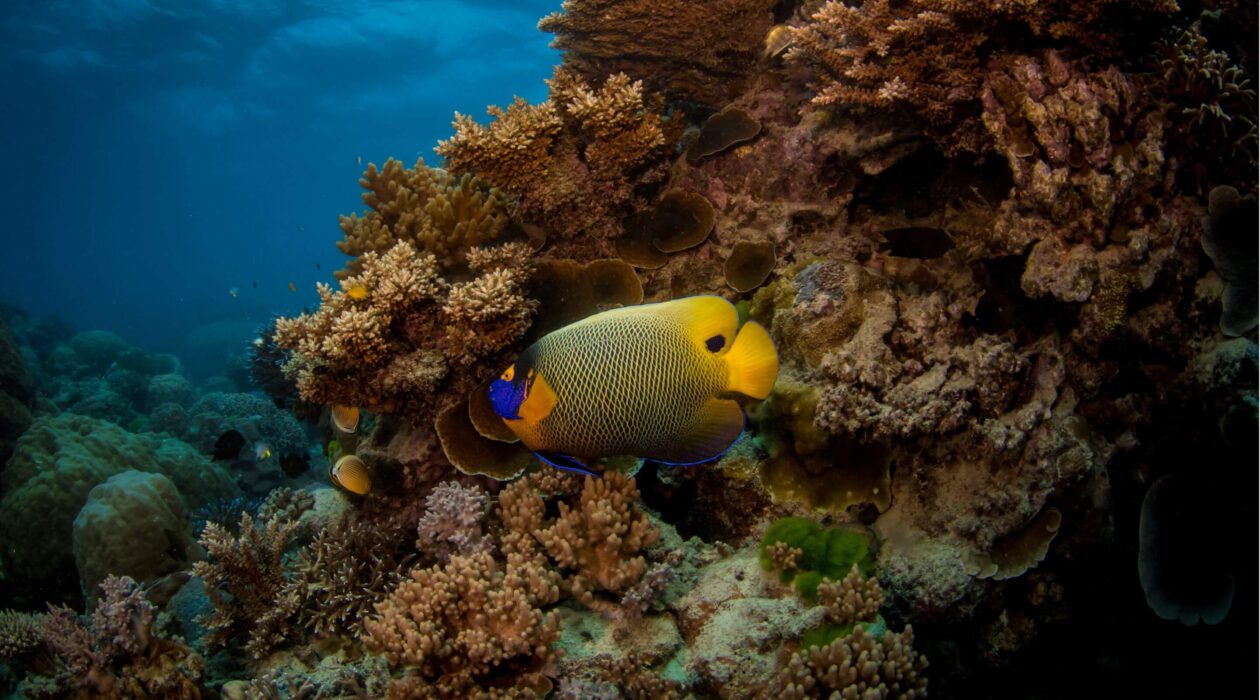
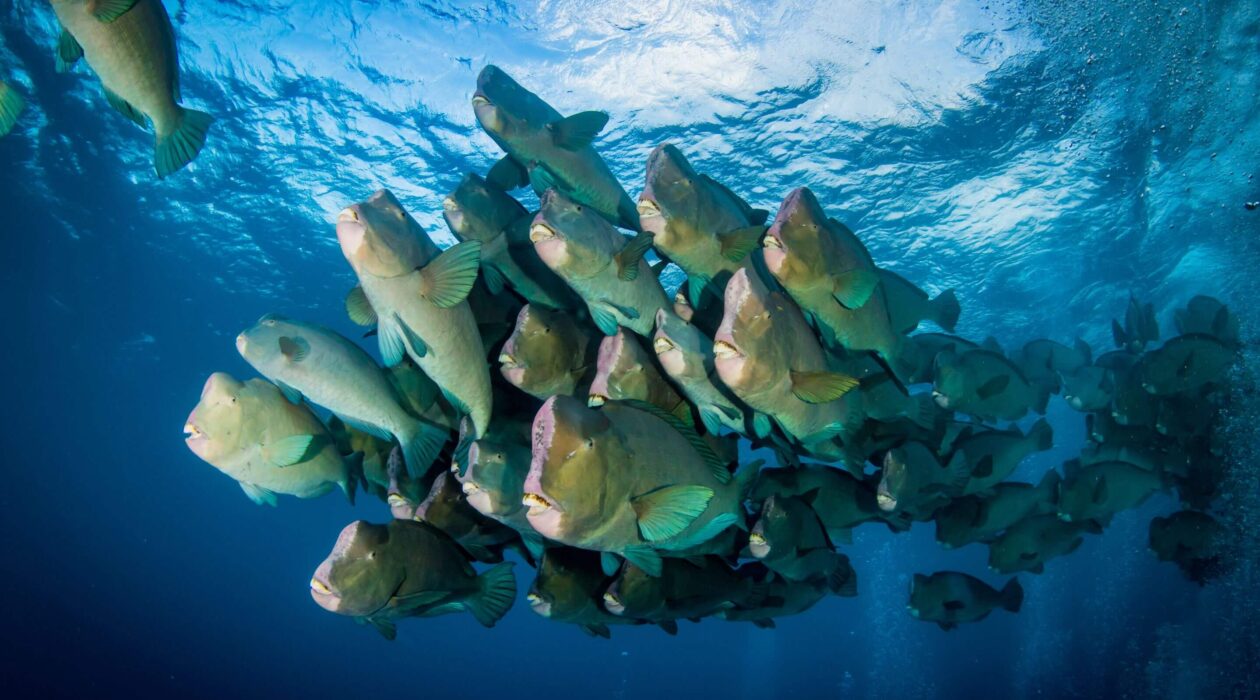
Depending on the day and location, visitors may encounter green and hawksbill turtles, clownfish, parrotfish, butterflyfish, angelfish, giant clams, barracuda, moray eels, nudibranchs, giant trevally and reef sharks, including whitetip and blacktip reef sharks.
Large Maori wrasse are another memorable reef resident, while sandy areas and deeper sections provide habitats for animals quite different from those found among the shallow coral gardens.
Of course, this is the wild Great Barrier Reef rather than an aquarium.
Marine-life encounters can never be guaranteed, and what you see will vary from one visit to another. That uncertainty is part of the experience.
Sea Turtles at Norman Reef
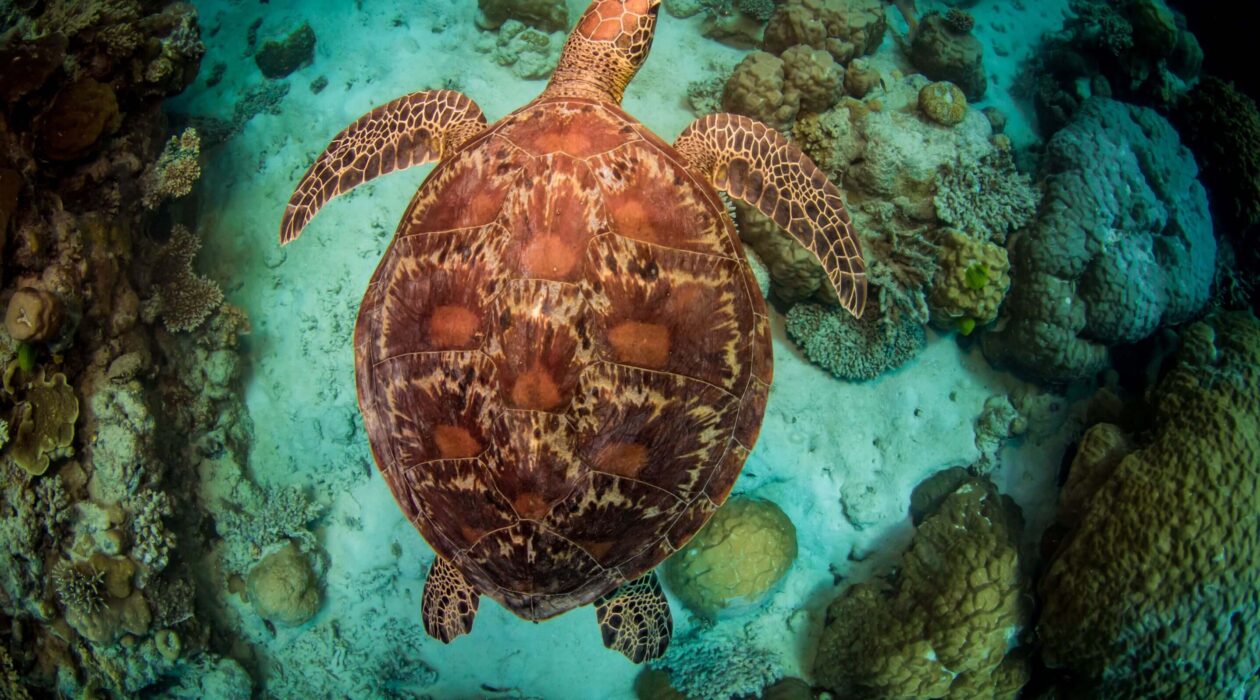
Sea turtles are among the Great Barrier Reef’s most loved inhabitants, and Norman Reef provides suitable habitat for both green and hawksbill turtles.
There is even a Norman Reef dive location called Turtle Bay.
Turtles may be seen swimming over the coral, resting around the reef or surfacing to breathe. If you are fortunate enough to encounter one, give it plenty of space and allow it to behave naturally.
Watching a turtle move effortlessly through its reef habitat can become one of the lasting memories of a Great Barrier Reef visit.
Coral Gardens and Underwater Landscapes
Norman Reef isn’t defined by a single type of coral.
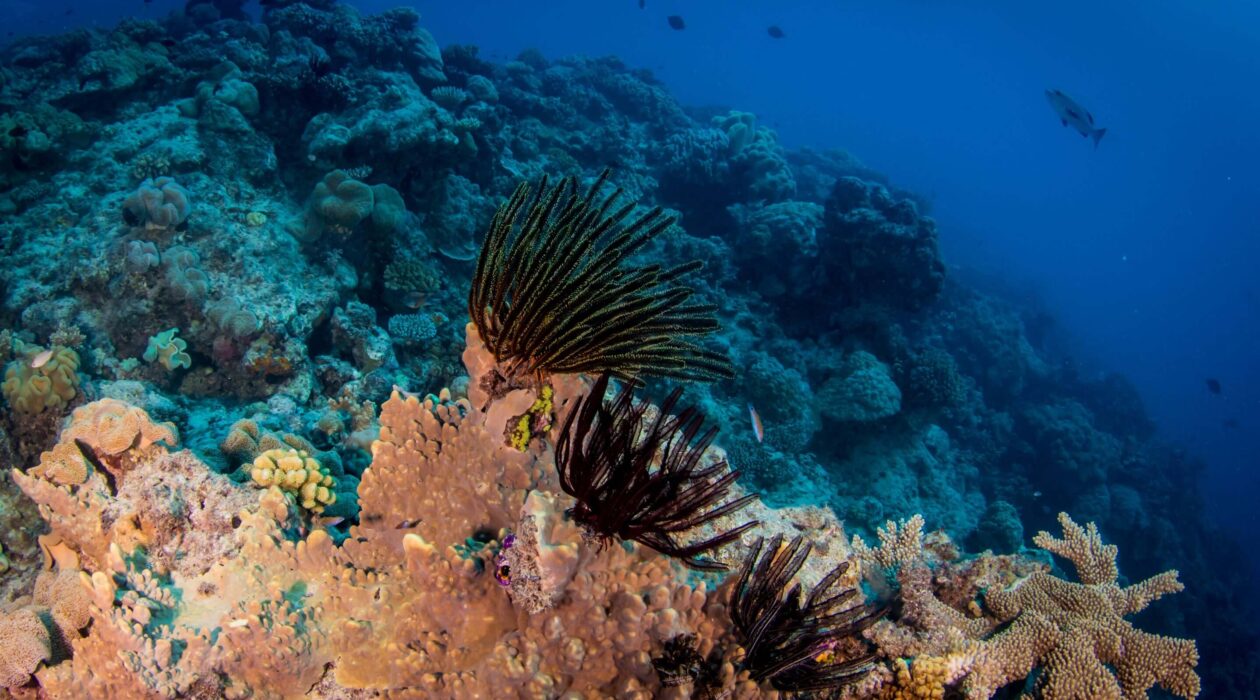
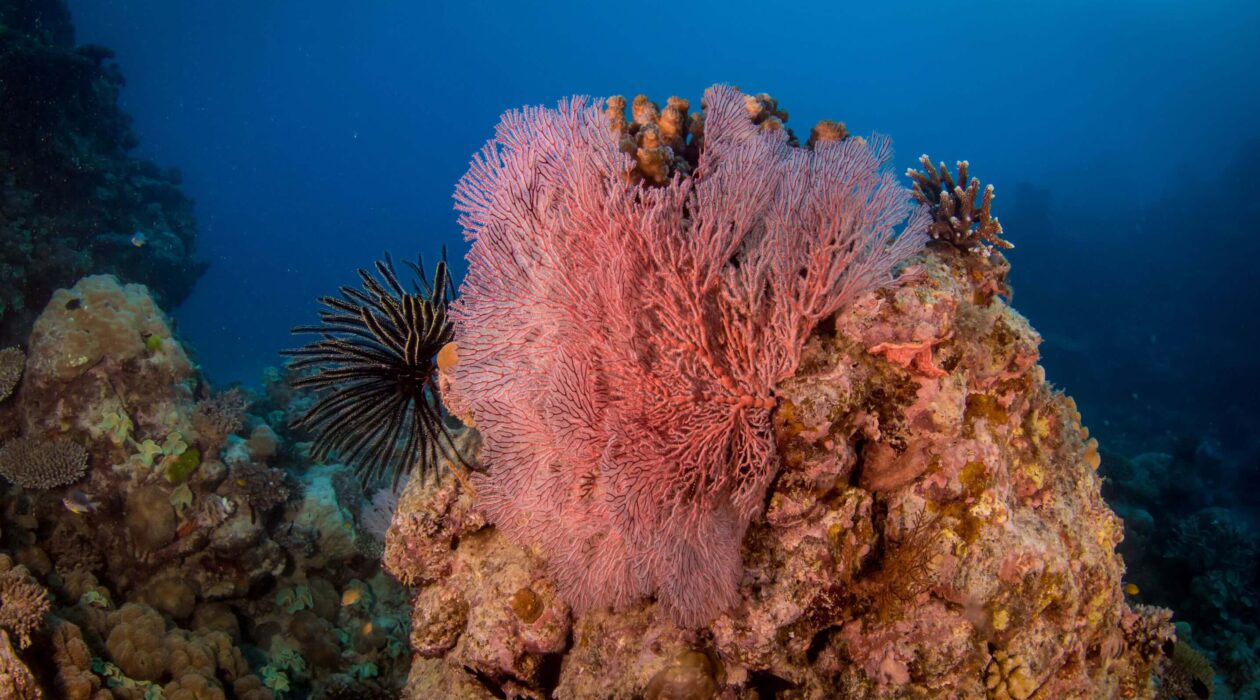
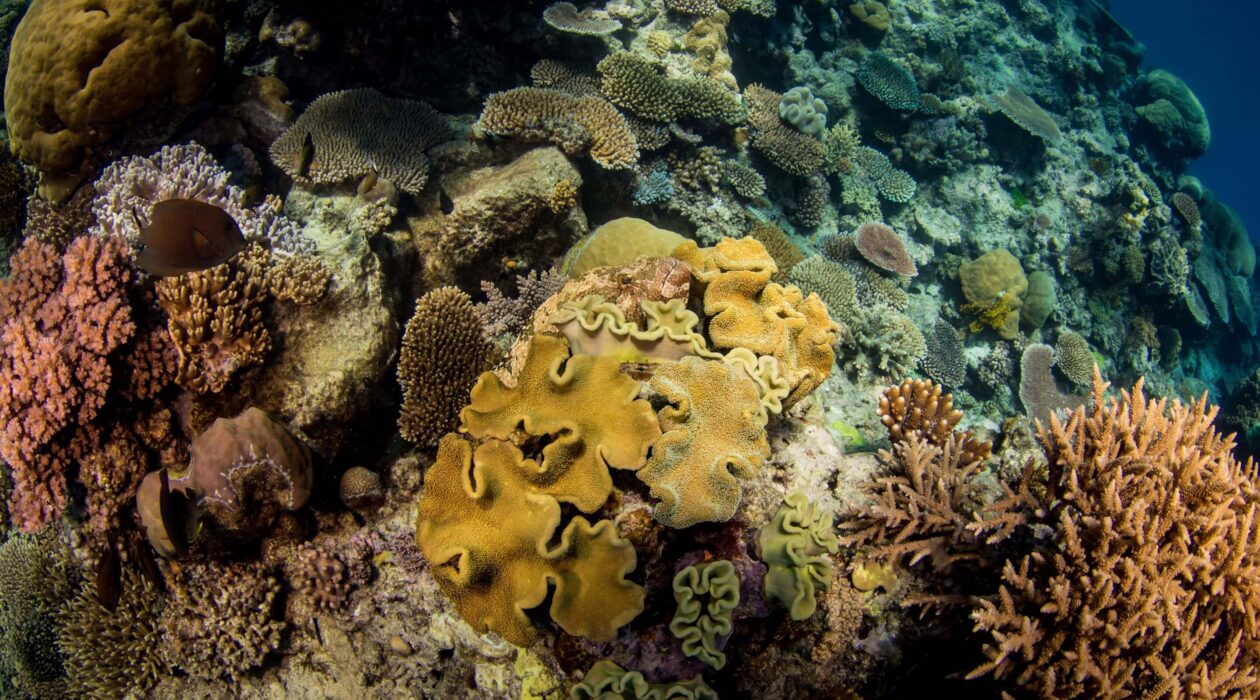
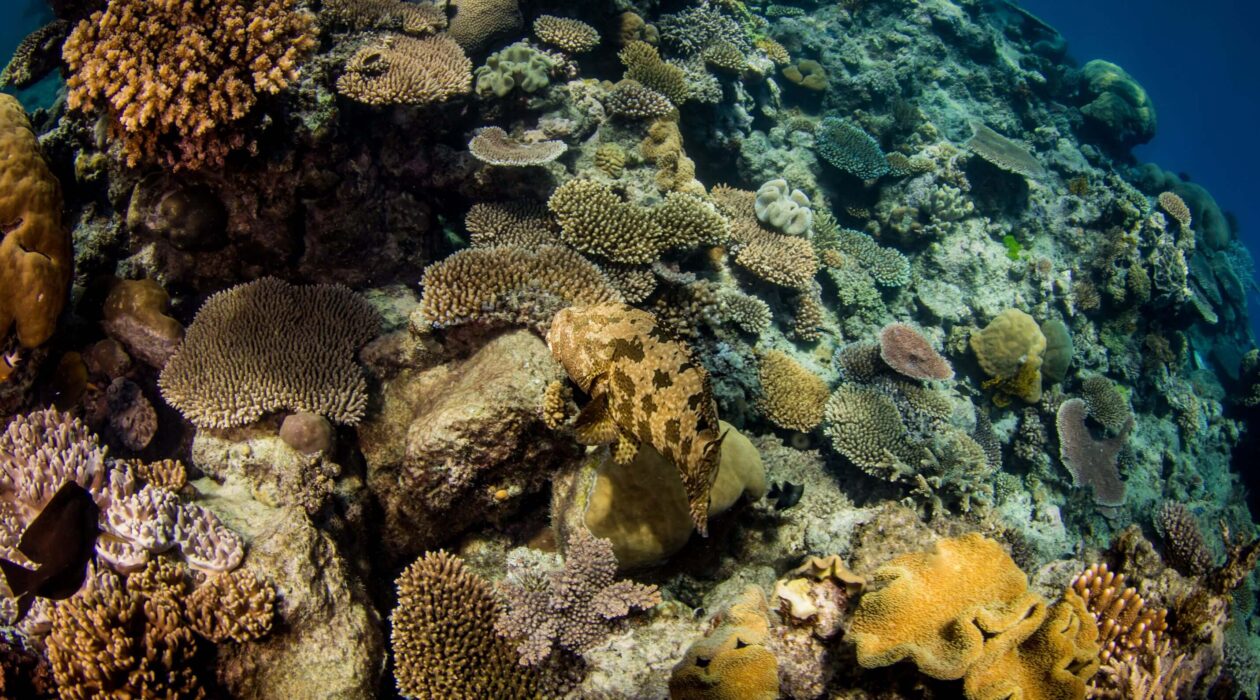
The reef supports a mixture of coral formations, including staghorn, brain, plate and soft corals, along with larger coral bommies and extensive reef gardens.
These structures aren’t simply beautiful to look at. They form a complex living habitat, providing shelter, feeding areas and nursery grounds for countless reef organisms.
From above, snorkellers can appreciate the patterns and scale of the coral gardens.
Below the surface, divers can explore the reef vertically, moving alongside walls, through channels and around large bommies.
Two people can visit Norman Reef on the same day, one snorkelling and one diving, and come back having experienced very different parts of the reef.
Where is Norman Reef?
Norman Reef is located on the Outer Great Barrier Reef, approximately 70 kilometres off Australia’s east coast, on the outer edge of the continental shelf.
It is one of a group of Outer Reef locations visited by vessels operating from Cairns.
Nearby reef systems include Saxon Reef and Hastings Reef, creating an exceptional concentration of snorkelling and diving locations within this part of the Great Barrier Reef.
Tour operators may use different moorings or visit different reefs according to their itinerary and the conditions on the day.
When is the Best Time to Visit Norman Reef?
The Great Barrier Reef can be visited from Cairns throughout the year.
There isn’t one guaranteed “perfect” month for Norman Reef because conditions on the ocean change from day to day. Wind, tides, currents, cloud cover and recent weather can all affect surface conditions and underwater visibility.
That means a beautiful reef day can occur at many different times of year.
If you’re prone to seasickness, it is worth checking the marine forecast before travelling and considering preventative medication after seeking appropriate advice.
Most importantly, don’t judge the reef solely by conditions in Cairns. The weather and water conditions offshore can be quite different from those on the mainland.
Norman Reef for First-Time Snorkellers
Norman Reef can be suitable for people experiencing the Great Barrier Reef for the first time, particularly where the tour provides flotation equipment, crew supervision and guided snorkelling.
If you’re not confident in the water, tell the crew before entering.
There is no prize for swimming the furthest or the fastest. A flotation device and a little assistance can allow you to slow down, become comfortable and actually look at the reef.
For many visitors, their first view beneath the surface of the Great Barrier Reef is something they remember for years.
Respecting Norman Reef
Norman Reef is part of a living ecosystem.
The simplest way visitors can help protect it is to look without touching. Avoid standing on coral, chasing marine animals or taking anything from the reef.
Corals are living organisms, and seemingly small actions can cause damage.
Good reef behaviour also creates better wildlife encounters. When animals aren’t pursued or surrounded, visitors have the opportunity to observe their natural behaviour.
Enjoy the reef, photograph it and leave it as you found it for the people who come after you.
Experience Norman Reef from Cairns
Norman Reef represents much of what makes a Great Barrier Reef trip from Cairns so extraordinary.
You can float quietly above shallow coral gardens, watch a sea turtle glide through blue water or descend beneath the surface to discover walls, bommies, caves and swim-throughs.
And every visit can be different.
The reef location chosen on a particular trip may depend on the operator’s itinerary and conditions, so if Norman Reef specifically is important to you, check which reef locations your chosen tour may visit before booking.
Whether you’re experiencing the Great Barrier Reef for the first time or returning to explore another part of it, Norman Reef is one of the outstanding reef environments accessible from Cairns.
Explore this reef with
Reef Experience
Day trip from Cairns
View tour →
Evolution Reef Cruise
Day trip from Cairns
View tour →
Ocean Quest
Liveaboard
View trip →
Coral Sea Dreaming
Liveaboard
View trip →

Reviews
There are no reviews yet