





Flynn Reef is one of the outstanding Outer Great Barrier Reef sites accessible from Cairns, offering beautiful coral gardens, clear tropical water and an impressive variety of marine life.
Located roughly 60 kilometres offshore from Cairns, Flynn Reef offers environments suitable for both snorkellers and scuba divers. Shallow coral gardens provide excellent opportunities to explore the reef from the surface, while deeper areas reveal walls, bommies, overhangs and swim-throughs.
Flynn Reef isn’t just one underwater location. It contains a collection of individual reef sites, each with its own character.
That variety is one of the reasons Flynn Reef has become such a well-known part of the Cairns Great Barrier Reef experience.
What Makes Flynn Reef Special?
Flynn Reef combines accessibility with considerable underwater diversity.
The reef has shallow areas suitable for snorkelling and newer divers, alongside deeper sections that provide more interesting terrain for experienced scuba divers. Conditions vary naturally, but established dive information describes Flynn Reef as having generally mild currents, depths of approximately 5 to 30 metres and visibility commonly around 15 to 20 metres, with higher visibility possible at particular sites and in favourable conditions.
Its underwater landscape includes coral gardens, reef walls, sandy areas, bommies, overhangs, crevices and swim-throughs.
It means you can explore Flynn Reef more than once and experience something quite different each time.
Snorkelling at Flynn Reef
Flynn Reef can be superb for snorkelling.
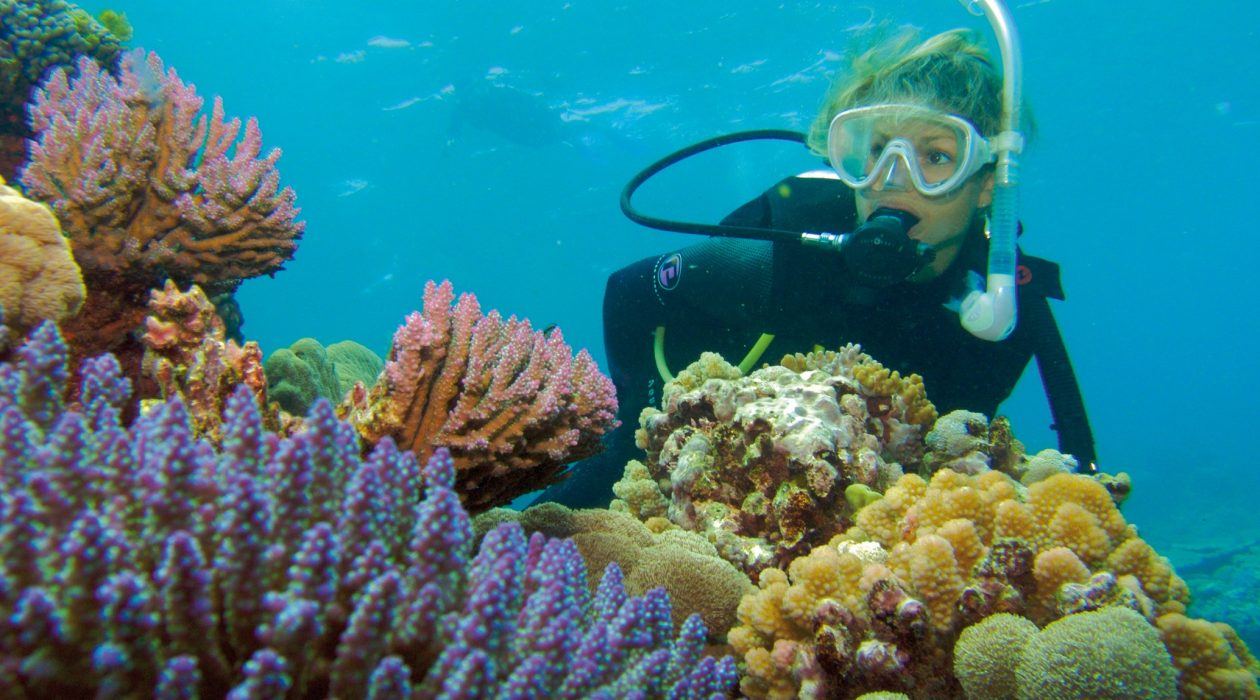
Some of its coral gardens rise into relatively shallow water, putting snorkellers close to colourful hard and soft corals and the tropical fish that live among them.
At Little Tracey, for example, shallow walls and reef crevices provide habitat for small colourful fish, while turtles, small reef sharks and other larger marine animals may also pass through the area.
Another Flynn Reef location, known as Serenity, features a shallow reef lagoon where coral and fish life can be observed soon after entering the water. Sandy patches around the reef also provide places where rays and small reef sharks may sometimes be seen.
You don’t need to dive deep to appreciate the Great Barrier Reef.
Sometimes floating quietly above a shallow coral garden gives you one of the best views of all.
Scuba Diving at Flynn Reef
Scuba diving reveals another side of Flynn Reef.
Below the shallow coral gardens are reef walls, overhangs, crevices, bommies and swim-throughs. These different environments make Flynn Reef suitable for divers with a range of experience levels.
Some of its best-known dive locations include:
-
- Tracy’s Bommie
- Gordon’s Mooring
- Tennis Court
- Coral Gardens
- Little Tracey
- Point Break
Each site provides a different view of the larger Flynn Reef system.
Coral Gardens
The appropriately named Coral Gardens showcases some of Flynn Reef’s impressive coral diversity.
Staghorn corals grow among table corals, boulder coral heads and plate corals, with soft corals adding another layer to the underwater landscape.
The site transitions from shallower coral into a terraced slope reaching deeper water, where giant clams, fan corals and further staghorn formations may be encountered.
Gordon’s Mooring
Gordon’s Mooring provides another kind of diving experience.
Smaller bommies create swim-throughs and overhangs, while the site supports brain and plate corals and established giant clam gardens.
Green, hawksbill and loggerhead turtles are among the marine animals recorded at this Flynn Reef location.
Tracy’s Bommie
Tracy’s Bommie combines excellent shallow reef habitat with deeper water around the back of the bommie.
The shallows are particularly attractive for snorkellers, with colourful fish living among secluded coral areas. Divers exploring deeper sections may encounter reef sharks and rays cruising past the reef.
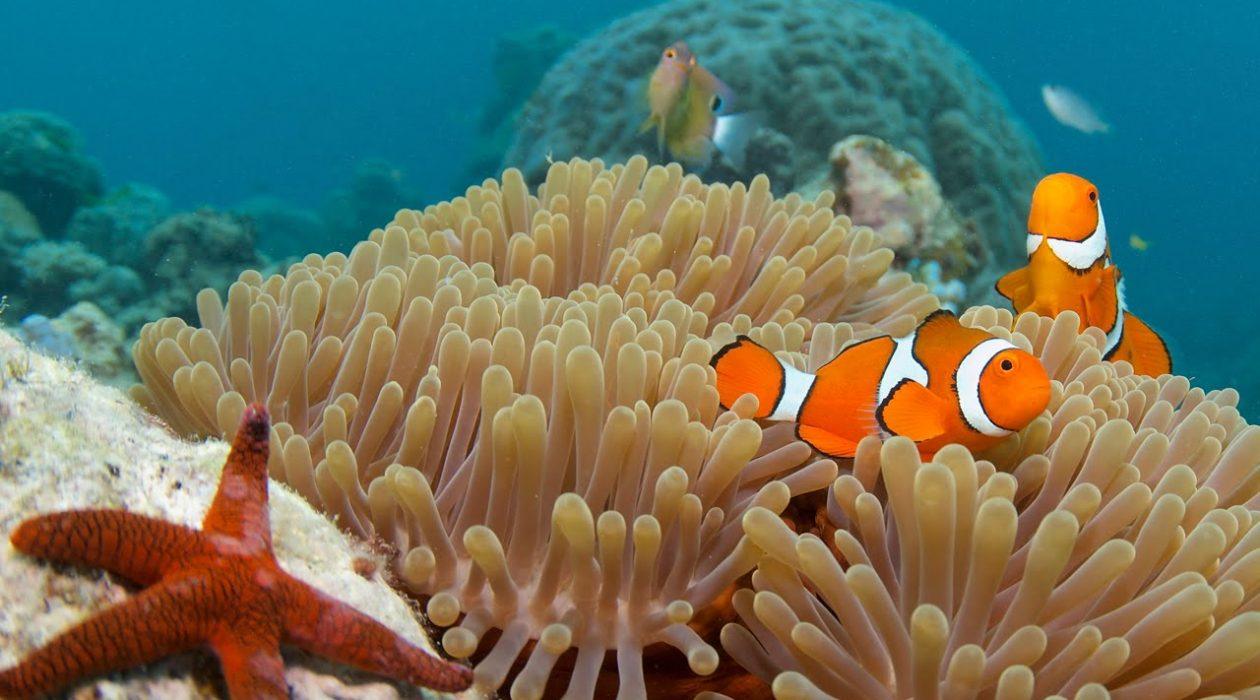
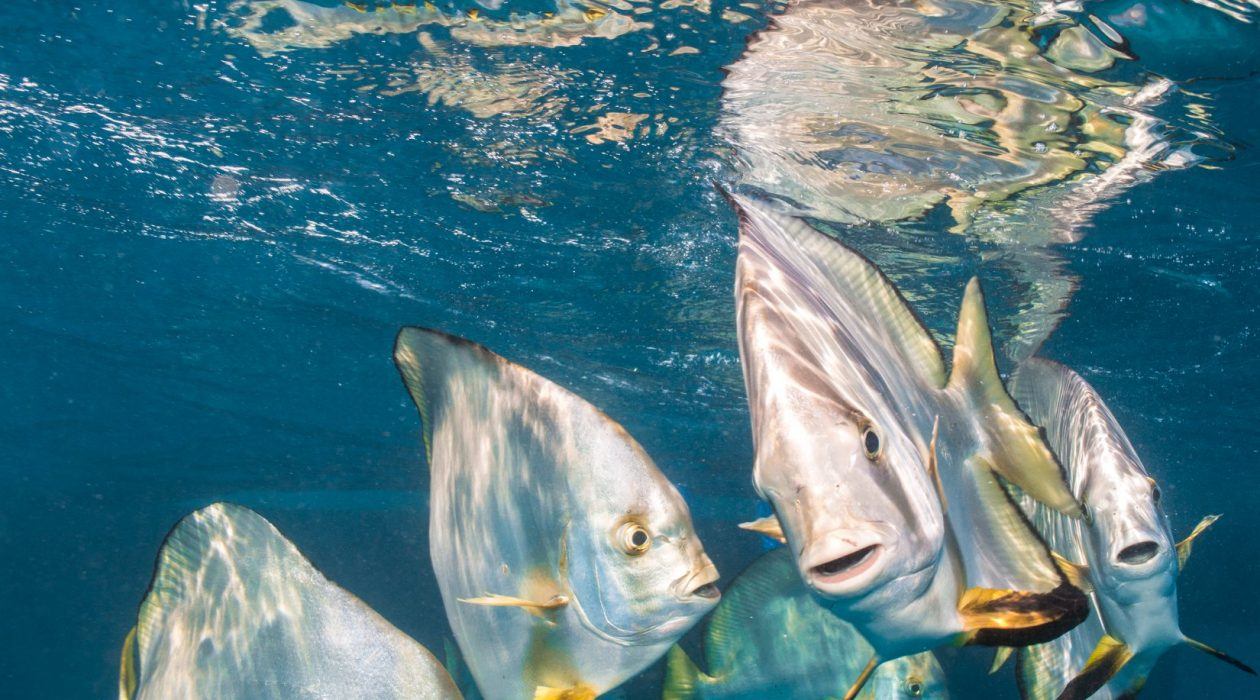
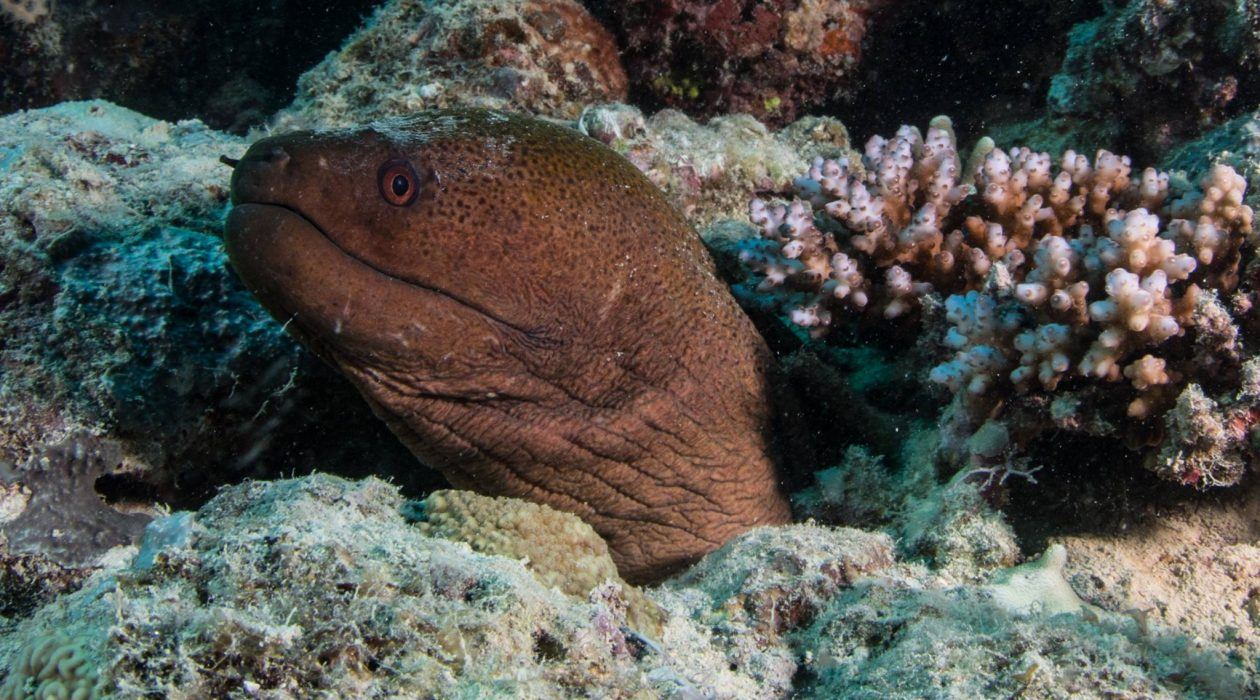
The site is also known for marine life including Maori wrasse, clownfish, moray eels, nudibranchs, cuttlefish and batfish.
Coral at Flynn Reef
Coral is one of Flynn Reef’s defining features.
The reef supports an impressive mixture of hard and soft corals, including staghorn, table, plate, boulder and brain corals.
Different coral structures create different habitats.
Branching staghorn provides intricate shelter for smaller fish, while large boulder corals can form substantial structures. Table and plate corals extend horizontally across sections of the reef, and soft corals move with the surrounding water.
Together they create the complex three-dimensional environment that supports so much of the reef’s biodiversity.
Marine Life at Flynn Reef
There is much more to Flynn Reef than coral.
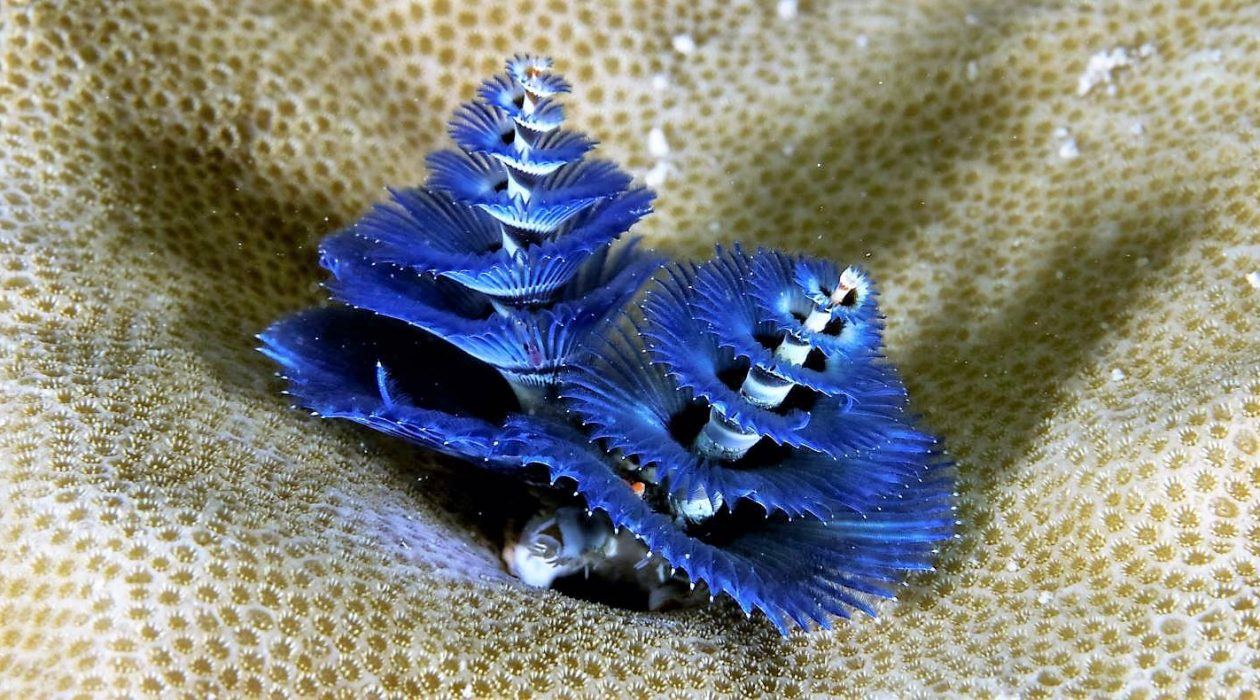
Commonly recorded marine life includes clownfish, butterflyfish, angelfish, batfish, fusiliers, coral trout, cod, barracuda, moray eels, nudibranchs, octopus and reef sharks. Giant clams can also be found among the coral gardens.
Turtles are another highlight.
Green and hawksbill turtles are seen around the reef, and GBR Biology reports turtles surfacing and grazing on algae at its Serenity site on Flynn Reef.
Larger animals may occasionally pass through as well.
As always on the Great Barrier Reef, these are wild animals. Particular sightings can never be guaranteed, which is exactly how a natural reef experience should be.
Is Flynn Reef Good for Beginners?
Flynn Reef can be a very good choice for people relatively new to snorkelling or scuba diving.
Several of its locations provide shallow reef environments, and professional dive operators classify Flynn Reef sites as suitable from novice through to more experienced levels.
However, conditions on the Great Barrier Reef change.
Weather, wind, tides and currents can influence which location is most appropriate on a particular day. Follow the crew’s instructions and tell them if you’re not a confident swimmer or if it is your first time snorkelling.
Using flotation equipment or accepting some extra assistance doesn’t diminish the experience. It can allow you to relax, slow down and spend more time actually looking at the reef.
Where is Flynn Reef?
Flynn Reef is on the Outer Great Barrier Reef east of Cairns, approximately 60 kilometres offshore.
It forms part of the network of offshore reefs that make Cairns one of Australia’s principal gateways to the Great Barrier Reef.
Other Outer Reef locations in the broader Cairns region include Milln Reef, Thetford Reef, Pellowe Reef, Norman Reef and Saxon Reef.
Each reef is different, which is why exploring more than one location can reveal just how varied the Great Barrier Reef really is.
When is the Best Time to Visit Flynn Reef?
The Great Barrier Reef can be visited from Cairns throughout the year.
Rather than nominating one month as the “best”, it is more useful to understand that conditions vary from day to day.
Wind, tides, currents and recent weather can influence visibility and surface conditions. Flynn Reef’s individual sites can also experience different conditions at the same time.
That is why experienced skippers choose reef locations and moorings according to conditions on the day.
Respecting Flynn Reef
Flynn Reef is a living natural environment, and everyone who visits has a role in protecting it.
Enjoy the coral without standing on or touching it. Give turtles, sharks, rays and other marine animals plenty of space. Never chase wildlife for a photograph or attempt to take anything from the reef.
The best wildlife encounters happen when we allow animals to behave naturally.
Take photographs, take memories and leave the reef exactly where it belongs.
Experience Flynn Reef from Cairns
Flynn Reef offers something for almost every kind of Great Barrier Reef visitor.
A first-time snorkeller can float above a shallow coral garden watching tiny reef fish dart between the corals.
A certified diver can descend beside a wall, explore around enormous bommies or pass through underwater openings and overhangs.
A turtle might appear.
A reef shark might cruise quietly below.
Or you may simply find yourself hovering above an extraordinary coral garden, watching hundreds of small interactions taking place across a living reef.
That is the beauty of visiting the Great Barrier Reef: no two days are exactly the same.
Several Cairns reef operators include Flynn Reef among the locations they may visit, including day trips and multi-day diving itineraries. The particular reef and mooring used can depend on the operator, itinerary and conditions, so if Flynn Reef specifically is important to you, check the tour’s reef locations before booking.

Reviews
There are no reviews yet